
How it all started…
I started in software development in 1990, when programming was in it’s infancy. Over the years, as engineering complexity grew and employees sought purpose beyond tasks, I realized traditional Agile no longer met the evolving needs of modern teams. Tools like Jira became mere project trackers, failing to connect work with business outcomes.
That’s why I created S+3 Agile—a framework designed to scale with complexity, foster collaboration, and align engineering efforts with strategy, delivering value while empowering teams.
The Engineer
I wrote my first line of code back in 1990 (yeah, I’m that old, haha). Back then, programming was raw, simple, and magical. A few lines of code could transform an idea into something functional—something real. I was hooked. Over the years, I moved from being a technologist honing the craft of coding to leading engineering teams at scale, guiding them to build exceptional software.
When Agile entered the scene, it was revolutionary. It was perfect for its time—a nimble, iterative approach to software development that prioritized collaboration and quick delivery. It gave teams a structure to thrive in the chaos of building something from scratch. But as the world changed, so did the demands on engineering teams. Products became more complex, platforms had to scale globally, and engineers wanted more than just to churn out features.

The Leader
As I took on more leadership roles and grew as leader, I saw that my engineers no longer wanted to feel like cogs in a machine. They wanted to understand how their work impacted the business, the customer, and the bottom line. Engineers started asking questions like, “How does this feature drive revenue?” and “Why are we doing this project at all?” And they weren’t wrong. People wanted purpose, not just tasks.
At the same time, the tools we once relied on to implement Agile—like Jira and others—became little more than glorified project management systems. They were great for tracking tasks but failed to connect the dots between planning, execution, and outcomes. Instead of fostering creativity and collaboration, these tools started to feel rigid and mechanical, falling short of the evolving needs of modern teams.
The Author
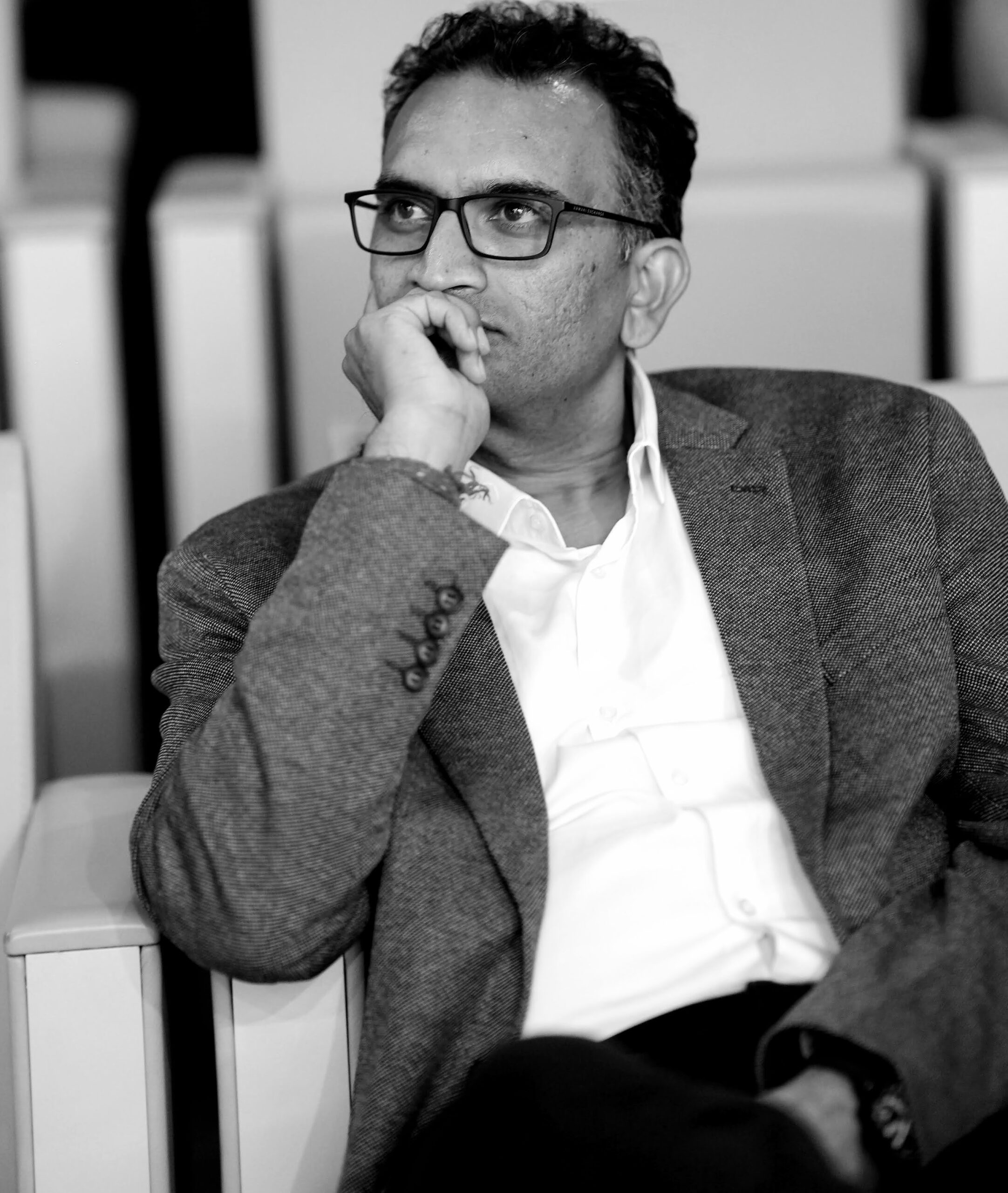
As I took more senior leadership roles and built larger teams, that’s when I realized it was time for a new approach to not lose purpose while making teams more productive. I created S+3 Agile to bridge this gap—a framework that not only scales with complexity but also aligns engineering work with business strategy.
S+3 stands for Sprints plus Three, providing visibility into the next three sprints while ensuring strategic planning through Horizontal Planning and precise execution through Vertical Execution. It’s designed to solve the real challenges of today: scaling teams, managing ambiguity, fostering collaboration, and delivering value—not just tasks.
This book is the culmination of years of experimentation, countless lessons learned, and a belief that we can build products and teams that are both scalable and happy. S+3 Agile is more than a methodology—it’s a mindset. It’s about making Agile work for the next generation of engineers, leaders, and businesses. And I’m excited to share it with you..
The Founder
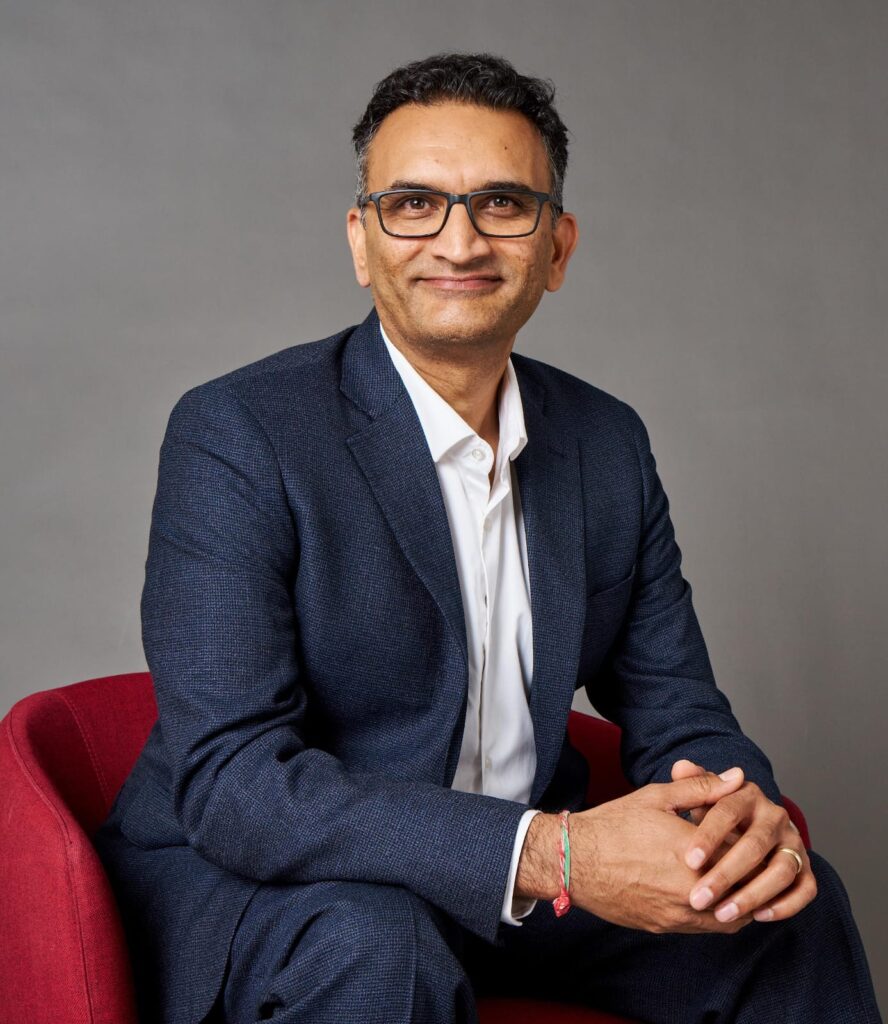
I spent the better part of three decades watching engineers build extraordinary things inside organizations that were quietly breaking them. I’ve been the engineer staying late to fix the thing no one planned for. I’ve been the leader who, looking back, asked too much and explained too little. I’ve sat in retros where everyone nodded politely and nothing actually changed. That’s the part most founder stories skip — the years of getting it wrong before you get it right.
Kaizou is what I built once I finally understood the pattern. The name comes from Kaizen — the Japanese practice of small, daily, deliberate refinement — and that’s exactly what it is. A tool, built on S+3 Agile, that quietly does the work most Agile tools pretend to do.
Because here’s the truth I had to learn the hard way: you cannot manufacture customer love on top of a tired engineering team. The chain runs one way only — happy engineers write cleaner code, cleaner code makes more reliable products, and reliable products make customers stay.
So this is what Kaizou is, in one sentence: it’s the tool I wish someone had handed me twenty years ago. Built by an engineer who became a leader who became a founder — for the engineers and leaders still in the middle of it.
If that sounds like your fight too, come build with us.
#HappyEngineersHappyCustomers